March 9, 2026
The garage door is often the largest moving object in a home, serving as a primary entrance, a security barrier, and a major factor in your property's curb appeal. Despite its importance, many homeowners take its operation for granted until a spring snaps or the opener fails. Maintaining this complex system of tracks, rollers, and high-tension springs is essential for ensuring safety and preventing costly emergency repairs. By partnering with a professional garage door contractor and following a consistent maintenance schedule, you can significantly increase the longevity of your system and ensure it remains reliable for years to come.
The sheer amount of work these systems perform is staggering when viewed over the course of a year.
According to Today, the average garage door opens and closes 1,500 times per year. This frequent cycle of tension and release places immense stress on every component, from the smallest bolt to the heavy-duty motor. Understanding the mechanical demands placed on your door helps highlight why proactive care is much more than a luxury; it is a necessity for any responsible homeowner who wants to avoid the inconvenience of a stuck door.
Observe and Listen During Operation
The first step in extending the lifespan of your door is simply paying attention. You are the best judge of how your door normally sounds and moves. A healthy door should move smoothly and relatively quietly. If you begin to notice jerky movements or if you hear new grinding, scraping, or squeaking noises, these are early warning signs that something is out of alignment or worn down. Identifying these symptoms early allows you to call a garage door contractor before a minor friction issue turns into a total mechanical failure.
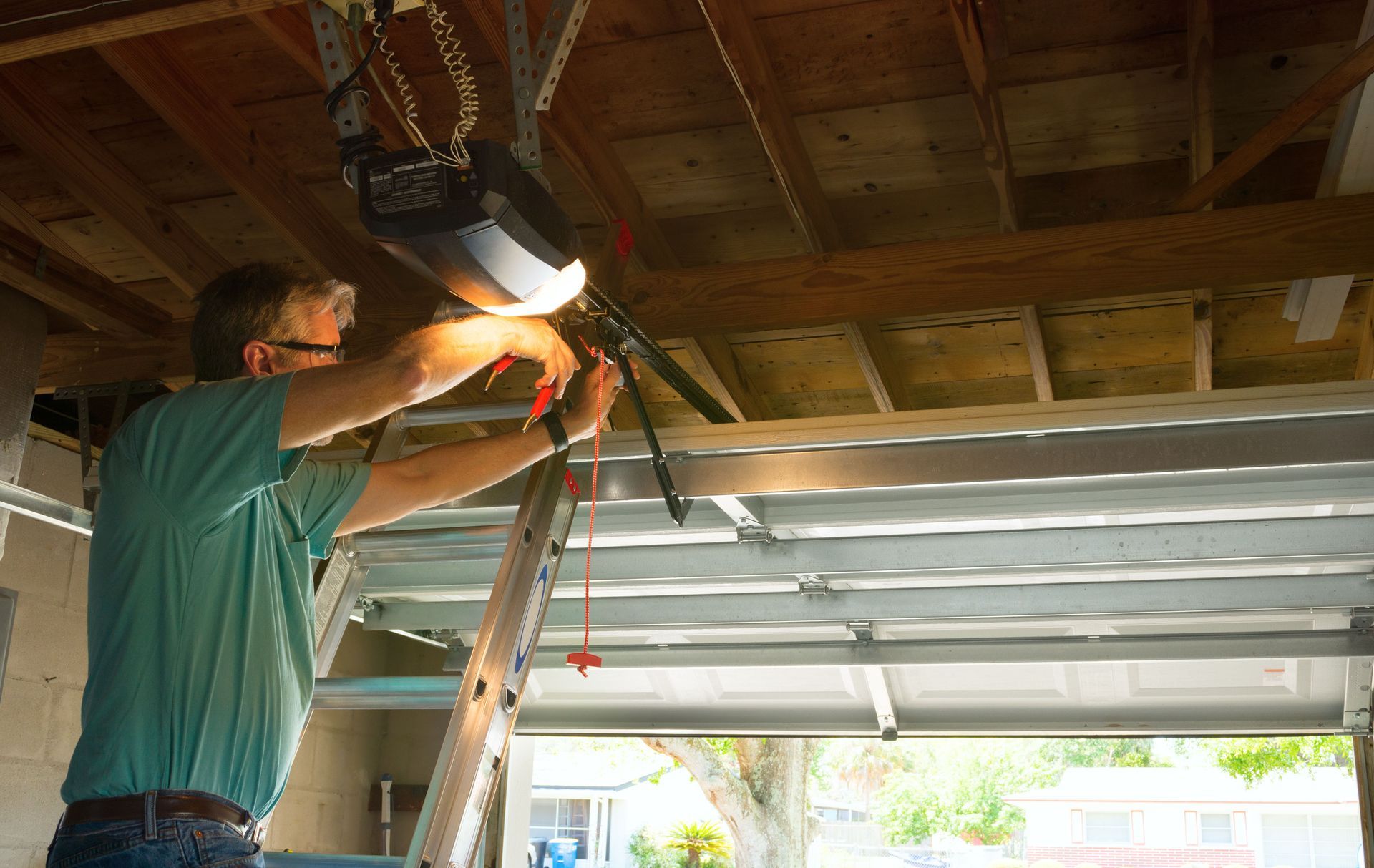
Visual inspections are equally important. Periodically, stand inside your garage while the door is closed and examine the cables for fraying, the rollers for lopsided wear, and the tracks for debris or dents. Check the mounting hardware to ensure that the brackets holding the tracks to the wall and ceiling are tight. Vibrations from those 1,500 annual cycles can loosen bolts over time. By catching these small physical changes early, you protect the motor from having to work harder to compensate for a struggling physical structure.
Lubricate All Moving Parts
Because your garage door is a mechanical system with dozens of points of contact, friction is its greatest enemy. Proper lubrication is perhaps the easiest and most effective way to reduce wear and tear. You should apply a high-quality lithium or silicone-based spray to the rollers, hinges, and tracks at least twice a year. Avoid using heavy grease, which can attract dust and hair, eventually creating a thick grime that actually hinders movement rather than helping it.
Special attention should be paid to the torsion springs located above the door. These springs do the heavy lifting, and keeping them lubricated prevents them from becoming brittle or rusting. A well-lubricated spring operates more smoothly and is less likely to snap prematurely. If you are unsure which lubricants are best for your specific model, consulting with a garage door contractor can provide you with a professional-grade recommendation that ensures your hardware remains protected against the elements and friction.
Check the Balance of the Door
A garage door that is out of balance puts an incredible amount of strain on the opener. When a door is properly balanced, the springs are doing exactly the right amount of work to counteract the door’s weight, allowing the motor to move it with minimal effort. To check this, pull the red emergency release cord to operate the door manually. Lift the door halfway and let go. If it stays in place or moves only slightly, it is well-balanced. If it slams shut or shoots upward, the spring tension is incorrect.
Adjusting the balance of a door is not a DIY task. Because the springs are under extreme tension, attempting to adjust them yourself can result in serious injury. If your "halfway test" fails, it is time to contact a professional garage door contractor. They have the specialized tools and training to recalibrate the tension safely. Keeping the door balanced ensures that the opener’s gears and motor don't burn out prematurely, which is one of the most expensive repairs a homeowner can face.
Clean and Clear the Tracks
The tracks on either side of your door guide the rollers and keep the entire system aligned. Over time, these tracks can accumulate dirt, cobwebs, and hardened grease that force the rollers to "jump" or stutter. Use a damp cloth to wipe out the inside of the tracks and remove any obstructions. It is important to note that you should never lubricate the inside of the tracks themselves; the rollers need a certain amount of traction to move correctly. You want the tracks to be clean and dry.
In addition to cleaning, check the alignment of the tracks. They should be perfectly vertical on the sides and slightly slanted toward the back of the garage on the horizontal sections. If you see a gap between the rollers and the track, or if the track appears bent, it can cause the door to bind or even fall out of its guide. A garage door contractor can use professional levels to ensure the tracks are perfectly plumb, which reduces the lateral stress on the rollers and hinges during every cycle.
Replace Worn Rollers and Weatherstripping
Rollers are the "tires" of your garage door system, and like car tires, they eventually wear out. Whether they are made of nylon or steel, rollers can develop flat spots or the bearings can seize up. Most experts recommend replacing rollers every five to seven years, depending on usage. Swapping out old, noisy rollers for high-quality nylon versions can make a dramatic difference in how quietly and smoothly your door operates, further reducing the vibration that loosens other hardware.
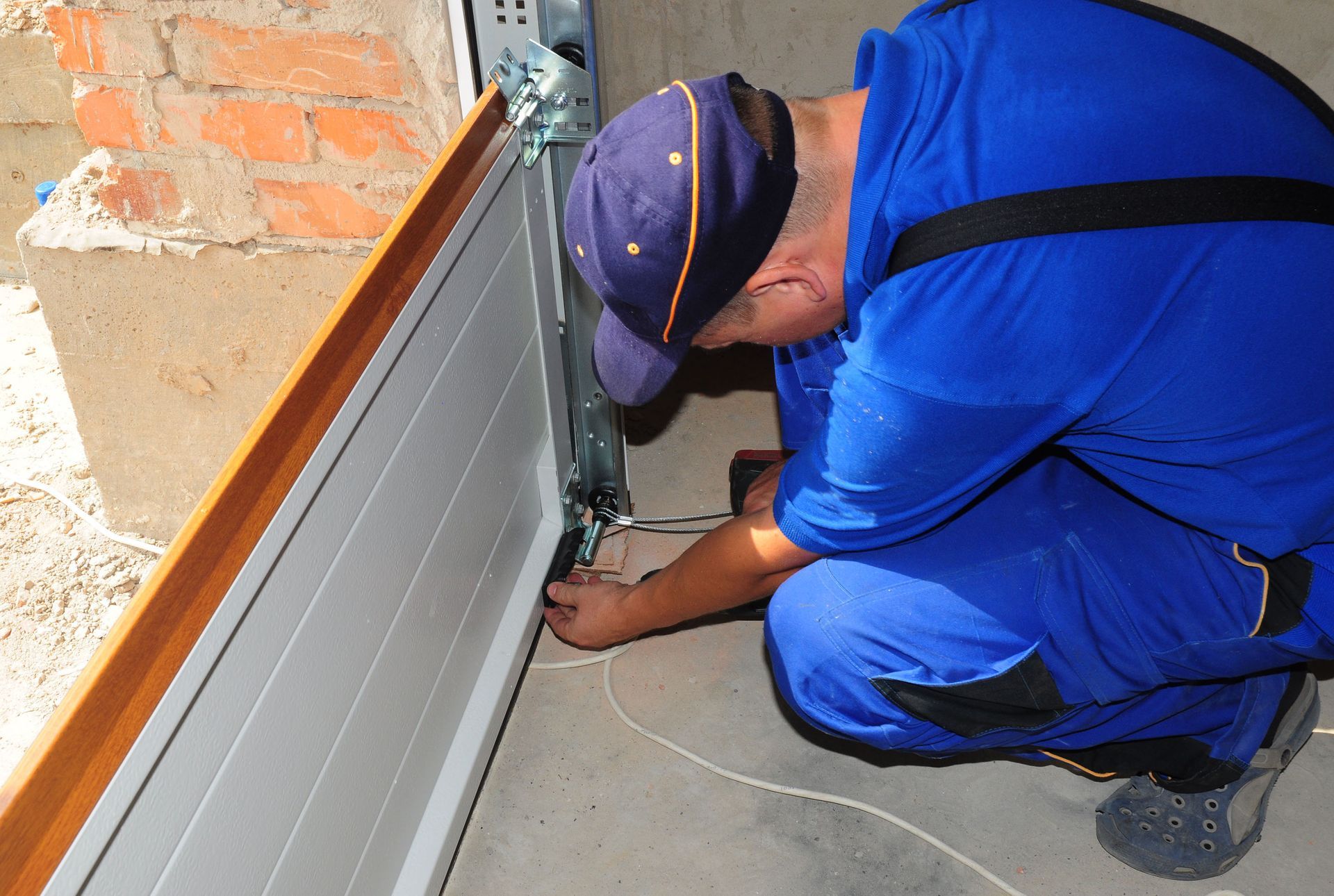
While you are inspecting the hardware, don't forget the weatherstripping at the bottom of the door. This rubber seal prevents water, dirt, and pests from entering your garage, but it also acts as a cushion when the door closes. If the seal is cracked or missing, the door may hit the concrete harder than intended, sending a shock through the entire system. Replacing a worn seal is a simple way to protect the bottom panel of your door from rot and impact damage, maintaining the structural integrity of the unit. This is a crucial part of the effort to extend the lifespan of your garage doors.
Extending the lifespan of your garage door is a combination of small, regular tasks and knowing when to call in a professional. By staying ahead of the wear and tear caused by those 1,500 annual cycles, you ensure that your home remains secure and your mornings remain hassle-free. Consistent maintenance is the most effective way to transform an unpredictable piece of hardware into a reliable asset. When you need expert help with a balance adjustment, a spring replacement, or a full system tune-up, you need a team you can trust. Call Garage Service Today now to learn more about our maintenance plans and how a professional garage door contractor can keep your home's largest moving part in peak condition. We are ready to help you get the most out of your investment.